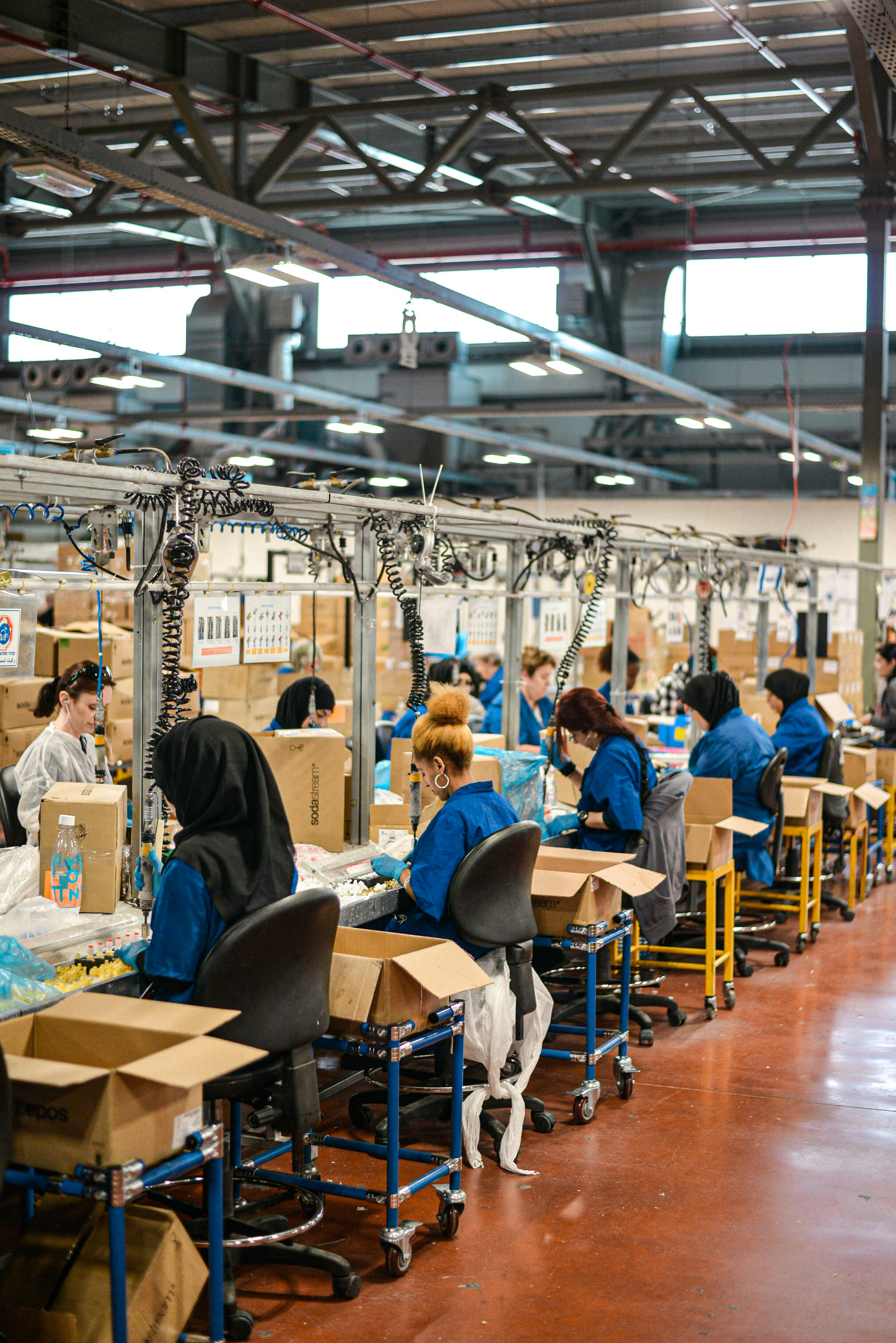
If you only looked at job boards, you might think manufacturing hiring has slowed down. The reality is different. It hasn’t stopped, it has just gone quiet.
Across the Midwest and beyond, we’re seeing a surge in “quiet hiring,” where roles are filled behind the scenes without a public posting. For plant managers, operations leaders, and HR executives, this shift changes the rules of the game.
1. What Quiet Hiring Really Means
The term first gained traction in corporate offices, but it has real weight in manufacturing. Quiet hiring refers to:- Reassigning internal talent to cover new business needs
- Upskilling existing staff rather than opening new requisitions
- Discreet external outreach to competitors’ top performers or niche local talent
- Partnering with specialty search firms that already know where the talent sits
2. Why Manufacturing Is Turning to Quiet Hiring Now
Several forces are colliding to make quiet hiring not just a trend, but a necessity:- Labor shortages are unrelenting. U.S. manufacturers report over 500,000 unfilled jobs each month. Deloitte projects the industry will need 3.8 million additional workers by 2033.
- Posting isn’t producing. Job boards bring volume, but not always quality or fit. Many mid-sized manufacturers in Tier 2 and Tier 3 cities find that public postings create noise but little traction.
- The clock is ticking. Traditional posted searches take 60+ days to fill on average. In contrast, direct-source or backchannel placements often close in half the time.
- Competitive pressure. Posting a leadership role can signal instability to competitors, vendors, and even employees. Quiet hiring protects brand perception while the seat is filled.
3. What We’re Seeing in the Field
At MARS, the shift is playing out in real numbers:- 40+ Plant Managers, Ops Directors, and Production Leaders placed in the last 6 months, the majority in Tier 2 and Tier 3 markets where traditional search firms often fall short.
- 41 percent of intake requests came directly from operations leaders, bypassing HR. That’s nearly double from just two years ago.
- 82 percent of roles reference ERP or MES modernization, signaling that leaders aren’t just being hired to run plants, but to rebuild them.
4. The Upside and the Risk
Like most strategies, quiet hiring comes with trade-offs.Upside:
- Shorter time-to-fill (17 days on average in MARS-sourced roles)
- Higher precision, as searches are targeted
- Greater protection of reputation and operations during leadership transitions
Risks:
- Internal talent moves without communication can cause burnout or resentment
- Over-reliance on informal networks risks bias and lack of diversity
- Without structured evaluation, hires may be fast but not future-ready
5. What This Means for Manufacturing Leaders
Quiet hiring is more than a staffing tactic. It reflects a larger shift in leadership expectations:- Transformation is the new baseline. Hiring managers are asking, “Can they lead change?” instead of “Do they know the line?”
- Culture is a business lever. People-first leaders, those who retain teams not just products, are the ones closing offers fastest.
- Discretion is strategic. In a competitive labor market, sometimes the most important hires are the ones no one sees coming.